
Two Different Lists
What I would do if I wanted to fail in Disaster Restoration in 2026-2027
If I sat down to make a list of actions to ensure I did not make it in restoration, it might look like this....
I find myself hearing some version of this question when sitting with or on a call with a restoration business owner. It's a "Which Fork In The Road" to take. That answer can also be found here ---> [BOOK LINK]
That question is hard to answer consistently and clearly, because it depends on where you sit and what you already have. The other version of it is easy. I can answer it in my sleep, and so can you.
So here it is, my brain dump.
If I owned a restoration company and I wanted to make absolutely sure it never became anything, this is exactly what I would do.
I would do everything myself. Every estimate, every collection call, every scheduling change. My phone would be the first to ring.
I would never collaborate with anybody else in my market. They are all competitors, and they are all out to get my work.
I would skip the industry stuff. Conferences are four days I could have spent producing.
I would keep every process in my head, where it is safe.
I would not bother knowing my numbers. I would sell more jobs and assume the money follows.
I would align with the carriers and work directly with them on their pricing and their timeline, and I would call that a partnership.
I would make sure I was on every job at least once.
I would give every customer my cell number and answer it on Sunday.
I would hire staff as cheaply as I could and act surprised at the work they did.
I would train nobody. They would pick it up on the truck.
I would take any job or call that came in. A job is a job.
I would never look at a job cost after it closed. Revenue was up, so we must be fine.
I would buy the cheapest equipment I could find, and not enough of it.
I would let the estimating software tell me what my work is worth and never argue with it.
I would keep the guy who has been here eight years and poisons every crew he touches, because he knows where everything is.
I would never tell an adjuster no. I would await their approval.
I would pay myself last and call that sacrifice.
I would work every weekend and make sure everyone knew it.
Quite a list, right? I write this with a smile and a grimace because I have lived that life. Still do at times, I'm sure.
Every single thing on that list is free. Not one of them takes discipline, or money, or a plan. You can run that entire list by accident, on autopilot, while feeling like you are working harder than anybody you know. Most owners I talk to are running eight or nine of them right now and would tell you they are grinding. They would say, " That's just this industry."
That is what makes it dangerous. Failure in this business does not announce itself. It creeps up and lingers for far too long.
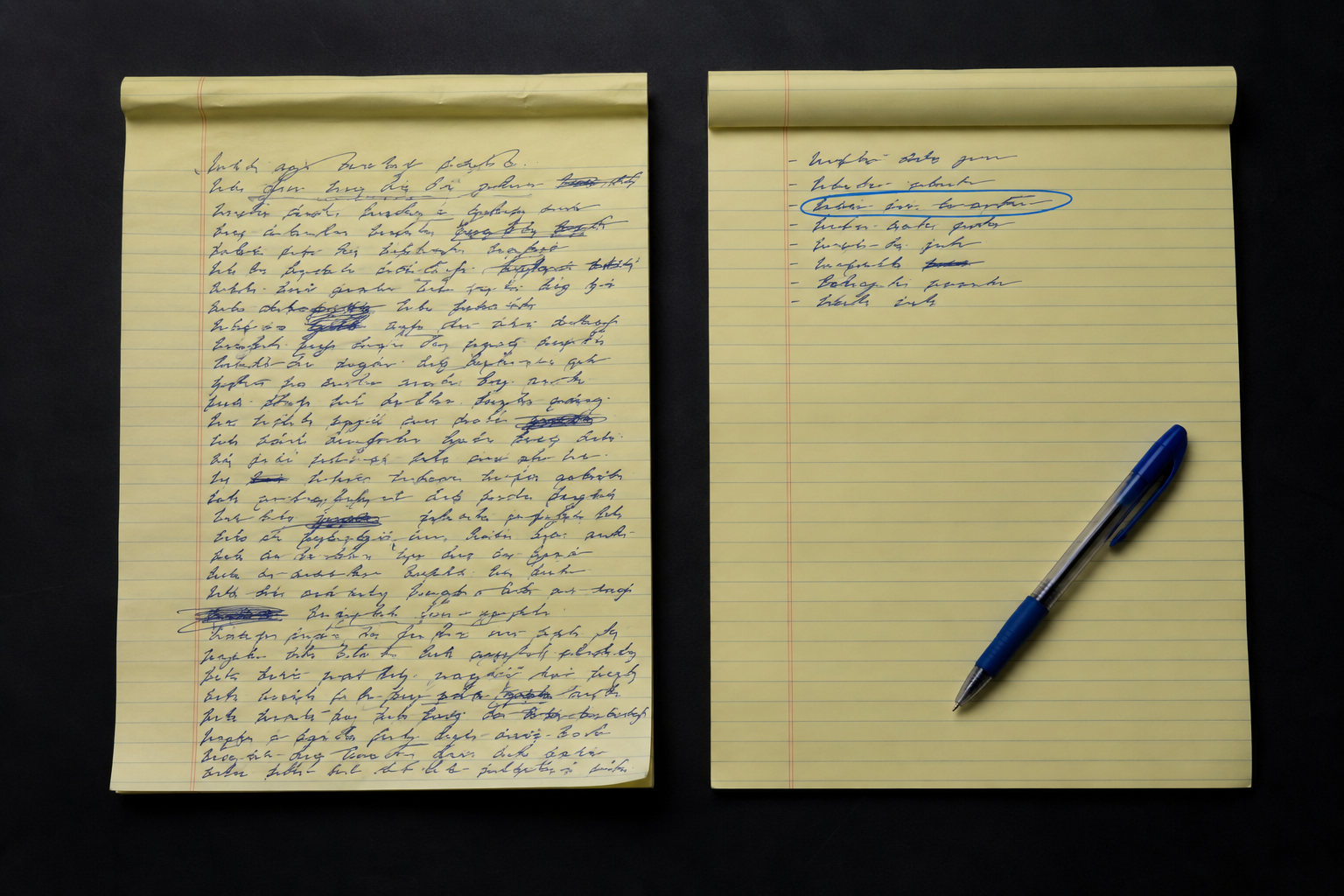
So when somebody asks me the other question- what I would actually do- the list gets shorter and a lot more expensive.
I would get honest, really fast, about what I do not know. Out loud, in front of people I trust most.
I would learn to recognize my own ego and notice when it is the one talking.
I would hire the best people I could afford, and then I would actually listen to them.
I would never stop learning. Ever.
I would challenge my definition of leadership about once a week, because the one that got me here will not get me there.
I would selfishly block time to learn and improve, and defend that time against most everything.
I would make decisions fast when they need to be fast and slow when I have the room, and I would know the difference.
I would take what is in my head and record it, one process at a time, until the company could run a job without asking me anything.
I would know my numbers well enough to say them out loud without opening a laptop.
I would get picky about which clients and referral partners I work for and with.
I would find three or four people in this business I could call at nine at night and tell the truth to.
And I would leave, on purpose, for longer than is comfortable, and pay close attention to what broke while I was gone. Then I would work with my team and fix that.
Twelve things. Every one of them costs something. Time, patience, or cold, hard cash.
That is the whole difference between the two lists. The first one is free, and the second one is not; both compound.
Your team already knows which list you are running. So does your family. Ask them. Go ahead. You are the only one who gets to decide it is temporary.
If you are really ready to admit that the size of your company doesn't matter. A small or a large company can deploy all of the systems to make this industry easier.
I would love to help you with the second list.
-KB
If you enjoyed this Field Note and other small actionable items like it, consider subscribing to get one every Tuesday morning. Then go look at the past Notes.
Subscribe in 1 minute here: https://restorationadvisers.com/blog